
International diplomacy often takes place in grand halls or sterile conference centers. However, a recent gathering of global leaders broke this mold by convening in a location that serves as a visceral reminder of the past: a bustling coal port. This setting was not accidental but served as a profound symbol for a group of fifty-seven nations committed to charting a new course for the global economy. Together, these countries represent nearly a third of the world’s financial output, and their collective presence at the heart of the fossil fuel industry signaled a definitive shift in the narrative of global energy production.
The choice to meet at a maritime terminal traditionally used for exporting carbon-heavy minerals highlights the tension between the industrial heritage of the twentieth century and the environmental imperatives of the twenty-first. For decades, coal was the bedrock of industrial expansion, providing the base-load power required to build modern cities and sustain global trade. Yet, as the ecological costs of carbon emissions become impossible to ignore, the very infrastructure that once symbolized progress is being reimagined as a relic of a bygone era. The leaders gathered there were not looking to expand the docks for more shipments, but rather to discuss how to decommission such facilities and replace them with cleaner alternatives.
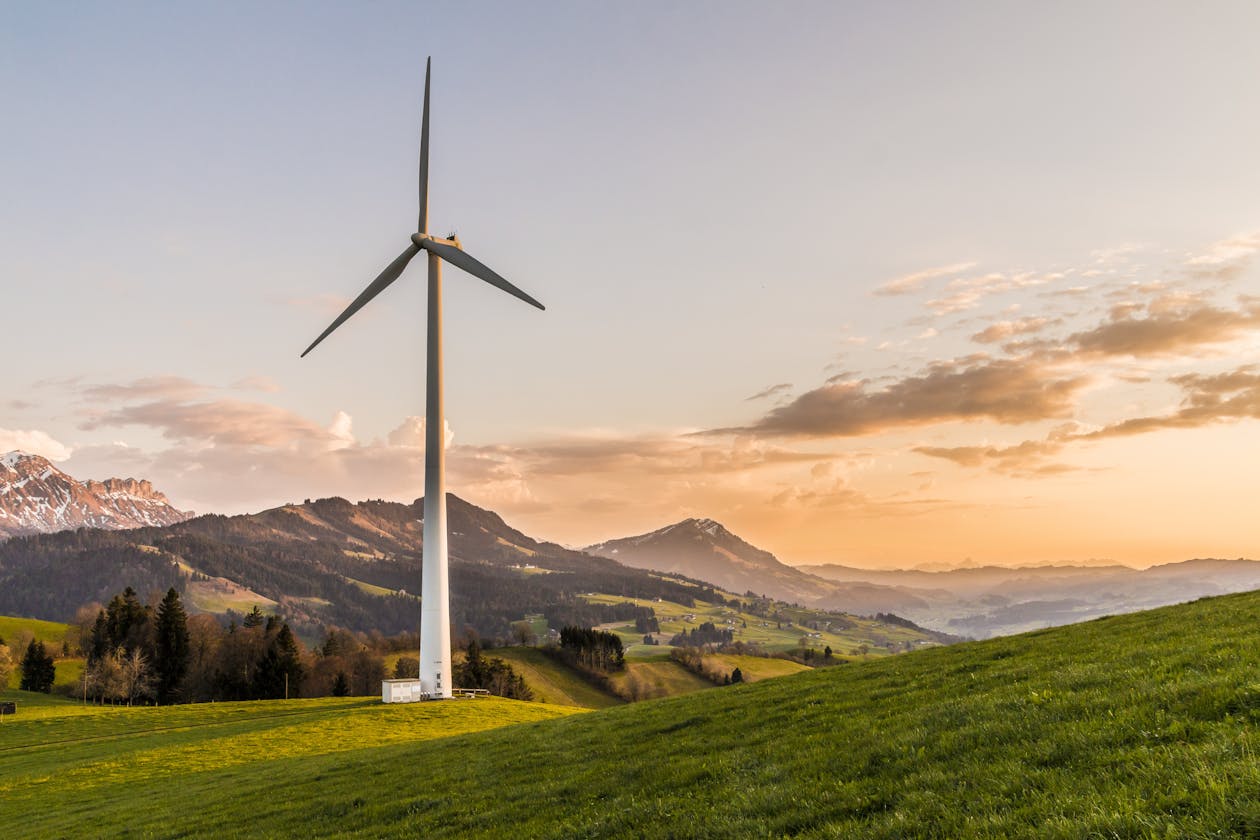
This coalition of nations is unique because it transcends traditional geopolitical divides. It includes major industrial powers alongside developing economies that are often the most vulnerable to the effects of climate change. By aligning their economic policies toward a common goal of decarbonization, these countries are attempting to create a market signal so strong that private capital will have no choice but to follow. The transition is no longer framed merely as a moral or environmental obligation; it is increasingly presented as a savvy economic strategy. Investors are moving away from the volatility of fossil fuel markets and toward the long-term stability and falling costs of renewable technologies like solar, wind, and green hydrogen.
However, the path toward a fossil-free future is fraught with logistical and social challenges. One of the primary concerns discussed by these delegates is the concept of a just transition. Millions of workers worldwide are currently employed in the extraction, processing, and transportation of coal, oil, and gas. For these communities, the closure of a port or a mine is not just an environmental win; it is a direct threat to their livelihoods. To address this, the gathered nations are exploring frameworks for retraining workforces and investing in the industrial revitalization of regions that have historically relied on fossil fuels. The goal is to ensure that the green revolution does not leave the blue-collar backbone of the old economy behind.
Technological innovation remains the primary engine of this change. As the price of battery storage continues to plummet, the intermittency of renewable energy—the long-standing argument against wind and solar—is becoming a solvable engineering problem rather than a barrier to entry. The discussions at the port also touched upon the expansion of global electrical grids and the importance of cross-border energy sharing. By creating interconnected systems, nations can export surplus renewable energy to their neighbors, ensuring that a cloudy day in one region does not lead to an energy shortage, provided the sun is shining elsewhere.
Beyond the economic and technological shifts, there is a profound psychological transformation occurring within global governance. For a long time, international climate agreements were criticized for being toothless or overly reliant on voluntary pledges. The emergence of a dedicated bloc representing a third of the global economy suggests a move toward more integrated action. When financial giants and emerging markets agree on a timeline for the phase-out of fossil fuels, it creates a new standard for international trade. Future trade agreements may increasingly include carbon border adjustments or similar mechanisms that penalize goods produced with high-carbon energy, further incentivizing the global transition.
The urgency of these discussions is underscored by the increasingly frequent and severe weather events impacting every continent. From unprecedented heatwaves to devastating floods, the physical reality of a warming planet is forcing the hand of policymakers who might otherwise prefer a slower pace of change. By meeting at a coal port, these leaders acknowledged that the window for gradualism has closed. The transition must be accelerated not just to meet abstract targets set in distant decades, but to preserve the stability of the global insurance, agricultural, and real estate markets which are all directly threatened by climate instability.
As the meeting concluded, the image of cargo ships loading coal in the background served as a stark contrast to the promises made by the leaders on the podium. The transition will not happen overnight, and the dependency on fossil fuels remains deeply embedded in global supply chains. However, the significance of this gathering lies in the public acknowledgement that the era of fossil fuels has entered its twilight. The momentum is shifting toward a decentralized, electrified, and sustainable future. While the transition will be complex and expensive, the cost of inaction is now widely recognized as being far higher. The collective step away from the coal port was more than just a departure from a physical location; it was a commitment to a new era of human industry that prioritizes planetary health alongside economic prosperity.
No comments:
Post a Comment