
The global marine environment is currently facing a crisis of unprecedented proportions, driven by the persistent influx of plastic waste into our oceans. Every year, more than 11 million metric tons of plastic materials find their way into the sea, a figure that is projected to triple by the year 2040 if current production and waste management practices remain unchanged. This staggering volume of debris is not merely an aesthetic blight on the world's coastlines; it represents a lethal presence that fundamentally alters marine ecosystems and threatens the survival of countless species. From the smallest plankton to the largest whales, no corner of the underwater world remains untouched by the pervasive reach of synthetic polymers.
One of the most immediate and visible threats posed by ocean plastic is physical entanglement. Abandoned fishing gear, known as ghost nets, along with plastic packing bands and discarded ropes, create hazardous underwater traps. Marine mammals, such as seals, dolphins, and whales, often become ensnared in these durable materials. Once entangled, these animals face a grim reality: they may suffer from deep lacerations, exhaustion from dragging heavy debris, or the inability to surface for air, leading to eventual drowning. This phenomenon, often referred to as ghost fishing, continues to kill marine life long after the equipment has been lost or discarded by human industry, creating a cycle of mortality that is difficult to monitor or mitigate.
Beyond the external dangers of entanglement, the internal threat of ingestion is equally devastating. Many marine organisms mistake plastic fragments for food. Sea turtles, for instance, frequently consume floating plastic bags, which bear a striking resemblance to jellyfish, a primary food source. For sea birds like albatrosses, colorful plastic bits floating on the surface appear like fish eggs or small crustaceans. Once ingested, these materials cannot be digested. They occupy space in the animal's stomach, creating a false sense of fullness that leads to malnutrition and eventual starvation. In many cases, the sharp edges of swallowed plastic can cause internal punctures or blockages, leading to a slow and painful death for the affected creature.
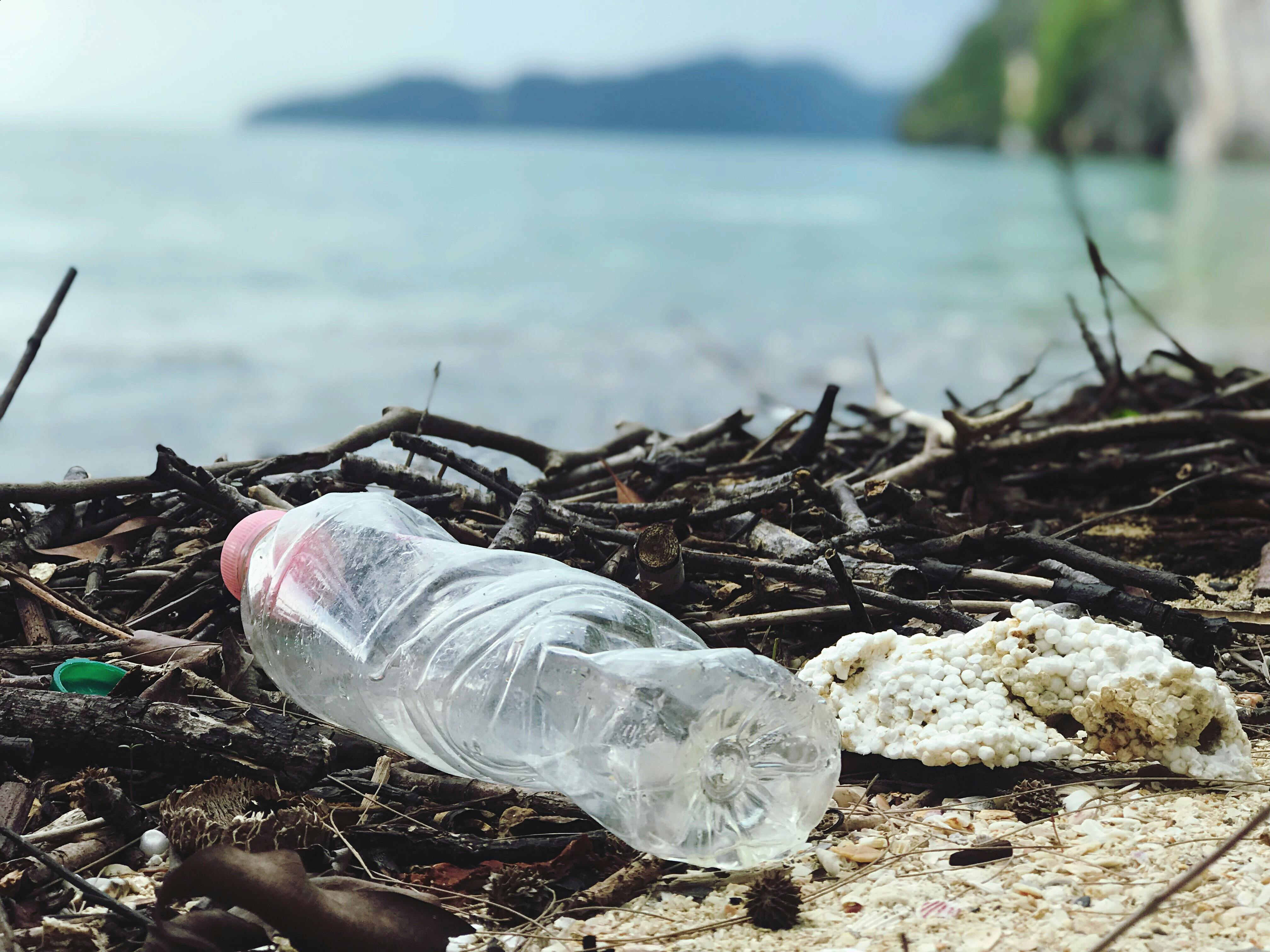
The problem does not end with large, visible pieces of trash. Over time, environmental factors such as ultraviolet radiation and wave action break down larger plastic items into microscopic particles known as microplastics. These particles, often smaller than five millimeters, are now ubiquitous in the water column and the seafloor. Because of their size, microplastics are easily consumed by lower-trophic level organisms, such as zooplankton and shellfish. This allows plastic and its associated toxins to enter the base of the food web, eventually bioaccumulating in larger predators, including those harvested for human consumption. The long-term biological impacts of this invisible pollution are still being studied, but early evidence suggests significant disruptions to reproductive health and metabolic functions in marine life.
In addition to the physical damage, plastics act as chemical magnets in the ocean. The porous surface of plastic debris absorbs persistent organic pollutants (POPs) from the surrounding seawater, such as pesticides and industrial chemicals. When animals ingest these plastics, they are not only suffering from physical blockages but are also being exposed to a concentrated dose of toxic substances. Furthermore, the additives used during the manufacturing of plastic, including flame retardants and plasticizers like phthalates, leach out into the tissues of marine organisms. These chemicals are known endocrine disruptors, which can interfere with the hormonal systems of wildlife, leading to developmental issues and declining population numbers across various species.
The ecological toll of plastic pollution also extends to critical habitats such as coral reefs. Reefs are already under stress from rising water temperatures and acidification, and the addition of plastic debris serves as a catalyst for disease. When plastic becomes snagged on coral branches, it can deprive the coral of light and oxygen, creating an environment where harmful bacteria thrive. Studies have shown that the likelihood of disease in coral increases significantly when plastic is present, threatening the biodiversity of these "rainforests of the sea." The loss of healthy reef systems has a domino effect, impacting the thousands of species that rely on them for shelter and food, as well as the coastal communities that depend on reefs for storm protection and tourism revenue.
Addressing the lethality of ocean plastics requires a multifaceted approach that moves beyond simple cleanup efforts. While removing trash from beaches and surface waters is helpful, it does not stop the flow of waste at its source. Global experts emphasize the need for a circular economy where plastic is designed to be reused or recycled effectively, rather than discarded after a single use. Policy changes are also crucial; international treaties are currently being negotiated to create legally binding frameworks to reduce plastic production and improve waste infrastructure on a global scale. By transitioning away from a culture of convenience and disposability, society can begin to reduce the toxic burden placed on the marine environment.
The survival of the ocean's inhabitants depends on an urgent shift in how humanity produces and manages synthetic materials. The data regarding the lethality of plastics is clear, and the window for meaningful intervention is narrowing. Protecting marine biodiversity is not just an environmental obligation but a necessity for the health of the entire planet. As the primary drivers of this pollution, humans hold the responsibility to implement systemic changes that prioritize the integrity of the ocean. Only through collective global action, ranging from individual consumer choices to high-level governmental regulations, can we hope to restore the seas to a state where life can thrive without the constant threat of plastic waste.
No comments:
Post a Comment