
Every time we press the start button on a washing machine, we initiate a sequence of events that extends far beyond the confines of our laundry rooms. While the immediate goal is to achieve fresh, stainless clothing, the environmental ripples of this daily chore are profound. From the chemical composition of the suds to the physical debris shed by our garments, the modern laundry process is a significant contributor to aquatic pollution. Understanding these impacts is the first step toward transforming a routine task into an act of environmental stewardship.
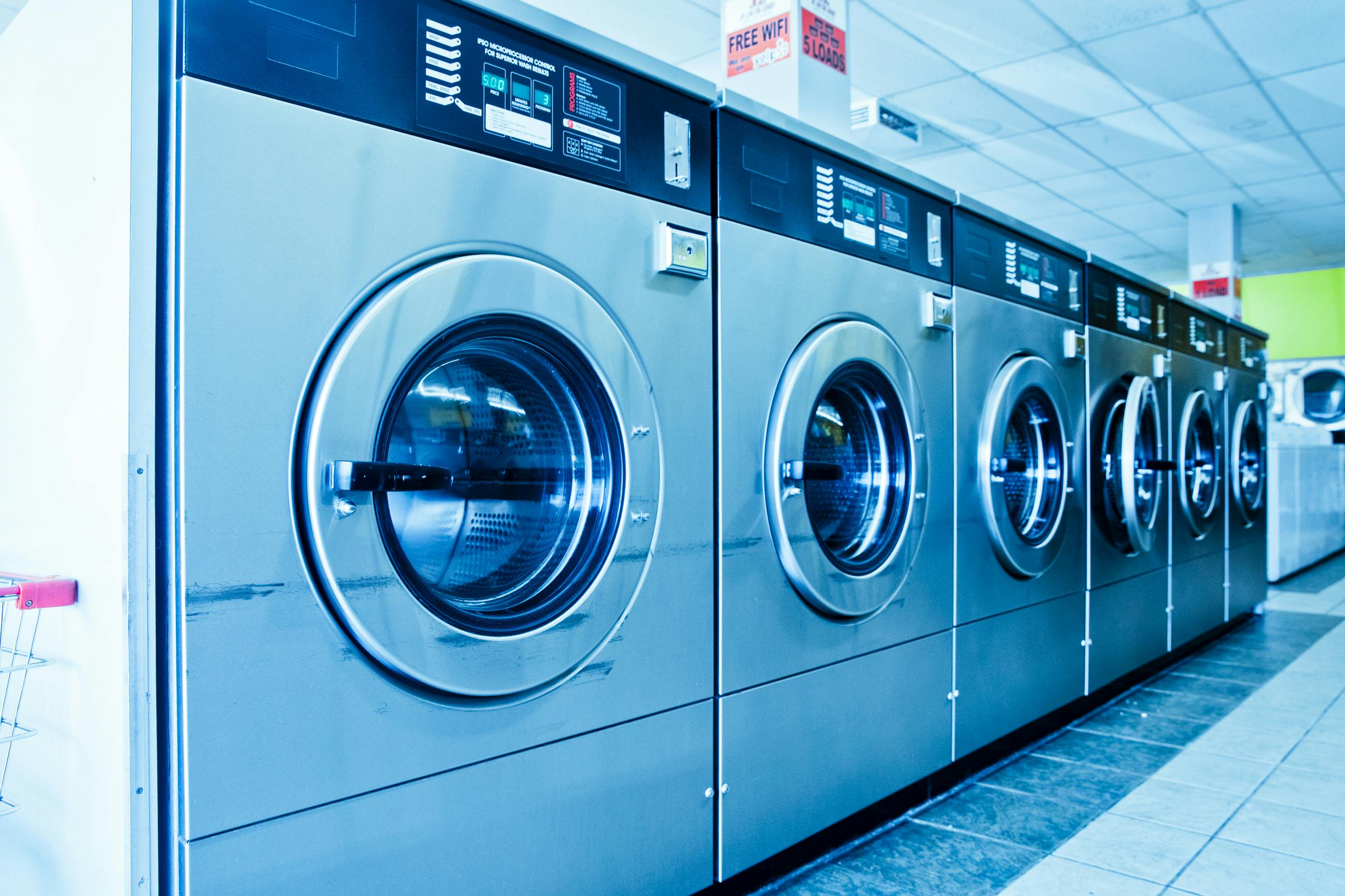
One of the most pressing issues in modern garment care is the release of microplastics. Most contemporary wardrobes are heavily reliant on synthetic fibers such as polyester, nylon, acrylic, and spandex. These materials are essentially forms of plastic. During the vigorous agitation of a wash cycle, these fabrics shed hundreds of thousands of microscopic plastic shards known as microfibers. Because of their minute size, these fibers easily bypass municipal wastewater filtration systems, eventually flowing into rivers, lakes, and oceans. Once in the wild, they are frequently mistaken for food by marine life, entering the food chain and carrying toxic chemicals with them. Transitioning to better laundry habits requires a two-pronged approach: reducing the shedding itself and ensuring the detergents we use do not exacerbate the chemical load in our waterways.
The chemical profile of traditional laundry detergents is another area of concern. For decades, many commercial formulas relied on phosphates to soften water and improve cleaning efficiency. However, when these phosphates enter natural water bodies, they act as a potent fertilizer, causing massive algal blooms that deplete oxygen levels and suffocate aquatic ecosystems. While many regions have banned phosphates, other problematic ingredients remain common. Surfactants, the agents responsible for lifting dirt from fabric, are often derived from petroleum, a non-renewable resource. Furthermore, optical brighteners—chemicals designed to stay on clothes to reflect light and make colors appear "whiter"—are frequently resistant to biodegradation and can be toxic to fish and other aquatic organisms.
Choosing a detergent that is better for the planet involves a careful examination of ingredient lists and packaging. The most sustainable options are typically those that utilize plant-based surfactants derived from coconut or vegetable oils rather than petroleum. Look for products that are explicitly labeled as biodegradable and free from synthetic fragrances and dyes. Fragrances, while pleasant to the nose, are often "trade secrets" that contain phthalates, which are known endocrine disruptors. Opting for "clear and free" versions of detergents is often the safest bet for both human health and the environment. Additionally, checking for third-party certifications, such as the EPA’s Safer Choice label, can provide peace of mind that the product has met rigorous environmental and safety standards.
Packaging plays a massive role in the carbon footprint of our laundry routine. Traditional liquid detergents are comprised of up to 90% water, making them incredibly heavy and carbon-intensive to ship. These products are usually housed in thick, high-density polyethylene (HDPE) plastic jugs. While these jugs are technically recyclable, a staggering percentage of them still end up in landfills. To combat this, innovative alternatives have emerged, such as ultra-concentrated laundry sheets, pods, or traditional powders packaged in compostable cardboard. By removing the water from the product at the manufacturing stage, these alternatives significantly reduce the fuel required for transportation and eliminate the need for bulky plastic containers.
Beyond the detergent itself, how we wash our clothes matters immensely. Washing in cold water is one of the easiest ways to reduce the environmental impact of laundry, as approximately 90% of the energy used by a washing machine goes toward heating the water. Modern detergents are increasingly formulated to be effective at lower temperatures, meaning you can achieve a deep clean without the high energy bill. Furthermore, washing only full loads reduces the total number of cycles per year, which minimizes water consumption and limits the mechanical friction that causes clothes to wear out and shed microfibers prematurely.
For those looking to go even further, there are tools specifically designed to capture microfibers before they leave the machine. Specialized laundry bags can hold synthetic garments during the wash, trapping the fibers inside the mesh so they can be disposed of in the trash rather than washed down the drain. External filter attachments for washing machines are also available; these are highly effective at catching a majority of the plastic debris shed during the cycle. While these require an initial investment, they represent a significant step in preventing plastic pollution at the source.
Ultimately, the move toward a more sustainable laundry routine is about making conscious choices that balance cleanliness with conservation. By switching to plant-based, concentrated detergents, reducing our reliance on hot water, and addressing the issue of microfiber shedding, we can significantly lessen our individual ecological footprints. Every load of laundry provides an opportunity to choose products and practices that protect our water systems and preserve the health of the planet for future generations. It is a testament to the fact that even the most mundane household tasks can contribute to a larger movement of environmental responsibility.
No comments:
Post a Comment