Thursday, June 11, 2026

How to Choose an Eco-Friendly Laundry Detergent for a Healthier Planet

Every time we press the start button on a washing machine, we initiate a sequence of events that extends far beyond the confines of our laundry rooms. While the immediate goal is to achieve fresh, stainless clothing, the environmental ripples of this daily chore are profound. From the chemical composition of the suds to the physical debris shed by our garments, the modern laundry process is a significant contributor to aquatic pollution. Understanding these impacts is the first step toward transforming a routine task into an act of environmental stewardship.
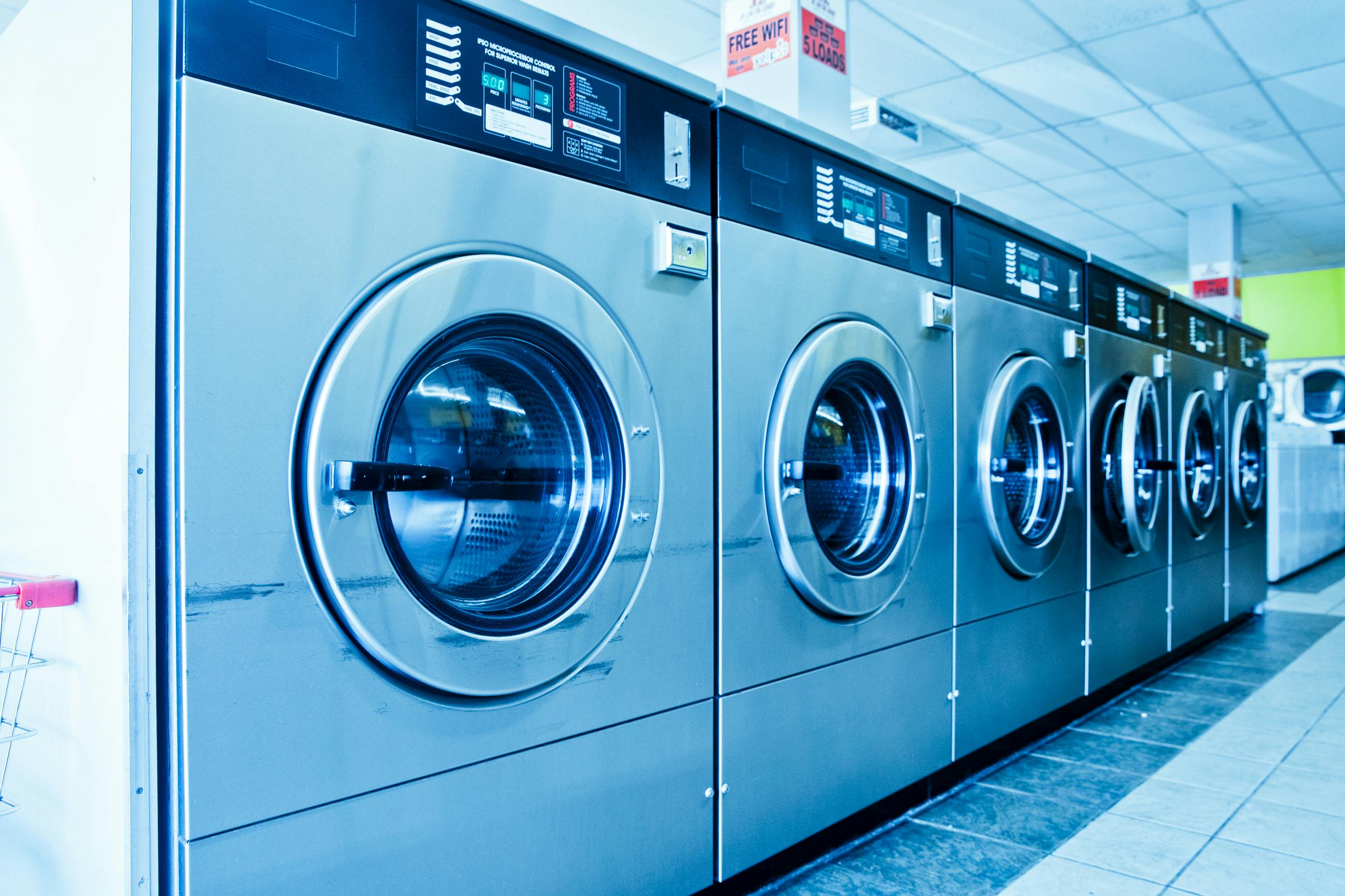
Eco-friendly laundry products and natural cleaning supplies

One of the most pressing issues in modern garment care is the release of microplastics. Most contemporary wardrobes are heavily reliant on synthetic fibers such as polyester, nylon, acrylic, and spandex. These materials are essentially forms of plastic. During the vigorous agitation of a wash cycle, these fabrics shed hundreds of thousands of microscopic plastic shards known as microfibers. Because of their minute size, these fibers easily bypass municipal wastewater filtration systems, eventually flowing into rivers, lakes, and oceans. Once in the wild, they are frequently mistaken for food by marine life, entering the food chain and carrying toxic chemicals with them. Transitioning to better laundry habits requires a two-pronged approach: reducing the shedding itself and ensuring the detergents we use do not exacerbate the chemical load in our waterways.

The chemical profile of traditional laundry detergents is another area of concern. For decades, many commercial formulas relied on phosphates to soften water and improve cleaning efficiency. However, when these phosphates enter natural water bodies, they act as a potent fertilizer, causing massive algal blooms that deplete oxygen levels and suffocate aquatic ecosystems. While many regions have banned phosphates, other problematic ingredients remain common. Surfactants, the agents responsible for lifting dirt from fabric, are often derived from petroleum, a non-renewable resource. Furthermore, optical brighteners—chemicals designed to stay on clothes to reflect light and make colors appear "whiter"—are frequently resistant to biodegradation and can be toxic to fish and other aquatic organisms.

Choosing a detergent that is better for the planet involves a careful examination of ingredient lists and packaging. The most sustainable options are typically those that utilize plant-based surfactants derived from coconut or vegetable oils rather than petroleum. Look for products that are explicitly labeled as biodegradable and free from synthetic fragrances and dyes. Fragrances, while pleasant to the nose, are often "trade secrets" that contain phthalates, which are known endocrine disruptors. Opting for "clear and free" versions of detergents is often the safest bet for both human health and the environment. Additionally, checking for third-party certifications, such as the EPA’s Safer Choice label, can provide peace of mind that the product has met rigorous environmental and safety standards.

Packaging plays a massive role in the carbon footprint of our laundry routine. Traditional liquid detergents are comprised of up to 90% water, making them incredibly heavy and carbon-intensive to ship. These products are usually housed in thick, high-density polyethylene (HDPE) plastic jugs. While these jugs are technically recyclable, a staggering percentage of them still end up in landfills. To combat this, innovative alternatives have emerged, such as ultra-concentrated laundry sheets, pods, or traditional powders packaged in compostable cardboard. By removing the water from the product at the manufacturing stage, these alternatives significantly reduce the fuel required for transportation and eliminate the need for bulky plastic containers.

Beyond the detergent itself, how we wash our clothes matters immensely. Washing in cold water is one of the easiest ways to reduce the environmental impact of laundry, as approximately 90% of the energy used by a washing machine goes toward heating the water. Modern detergents are increasingly formulated to be effective at lower temperatures, meaning you can achieve a deep clean without the high energy bill. Furthermore, washing only full loads reduces the total number of cycles per year, which minimizes water consumption and limits the mechanical friction that causes clothes to wear out and shed microfibers prematurely.

For those looking to go even further, there are tools specifically designed to capture microfibers before they leave the machine. Specialized laundry bags can hold synthetic garments during the wash, trapping the fibers inside the mesh so they can be disposed of in the trash rather than washed down the drain. External filter attachments for washing machines are also available; these are highly effective at catching a majority of the plastic debris shed during the cycle. While these require an initial investment, they represent a significant step in preventing plastic pollution at the source.

Ultimately, the move toward a more sustainable laundry routine is about making conscious choices that balance cleanliness with conservation. By switching to plant-based, concentrated detergents, reducing our reliance on hot water, and addressing the issue of microfiber shedding, we can significantly lessen our individual ecological footprints. Every load of laundry provides an opportunity to choose products and practices that protect our water systems and preserve the health of the planet for future generations. It is a testament to the fact that even the most mundane household tasks can contribute to a larger movement of environmental responsibility.

Wednesday, June 10, 2026

Integrating Energy and Water Research to Better Manage Rising Climate Disasters

The historical landscape of environmental stability in the United States has undergone a drastic transformation over the last four decades. From 1980 through 2024, the nation experienced an average of nine significant weather and climate disasters per year. While that number might sound substantial, it pales in comparison to the frequency and intensity of events witnessed in the most recent decade. We are no longer living in a world where "once-in-a-century" storms happen every hundred years; instead, these catastrophes have become an almost monthly occurrence, straining our infrastructure, our economy, and our natural resources to their absolute limits.

As these climate-driven events escalate, it has become increasingly clear that our traditional methods of managing resources are no longer sufficient. Specifically, the way we research and manage energy and water must be fundamentally reimagined. For too long, these two sectors have been treated as separate silos in both legislative policy and scientific research. However, they are inextricably linked in what experts call the energy-water nexus. You cannot have one without the other, and when a climate disaster strikes, both are often compromised simultaneously.

Solar panels under a clear sky representing clean energy and resource management

To understand the urgency of integrated research, one must first look at how dependent our power grid is on water. Most traditional forms of energy production, including nuclear, coal, and natural gas, rely heavily on water for cooling purposes. When intense heat waves or prolonged droughts occur, water levels in lakes and rivers drop, and the temperature of the remaining water rises. This creates a double-edged sword: the power plants cannot cool their systems effectively, leading to forced shutdowns or reduced output precisely when the public needs electricity most to power air conditioning and life-saving medical equipment.

On the flip side, the water sector is one of the largest consumers of electricity. From the massive pumps that move water across hundreds of miles of desert to the high-tech filtration systems in treatment plants, energy is the lifeblood of our water supply. Desalination, which many coastal regions are turning to as a solution to freshwater scarcity, is an incredibly energy-intensive process. If the energy grid fails during a storm or a wildfire, the water supply often follows shortly after, leaving communities without the ability to fight fires, hydrate, or maintain basic sanitation.

The economic toll of failing to address these systems together is staggering. Since 1980, the cumulative cost of weather and climate disasters in the U.S. has exceeded trillions of dollars. These costs are not just reflected in destroyed buildings and infrastructure; they are seen in rising utility bills, increased insurance premiums, and the fluctuating costs of food and consumer goods. When a drought destroys crops, it is a water issue. When a hurricane knocks out a refinery, it is an energy issue. But because our food, fuel, and water systems are linked, the consumer feels the impact of both simultaneously.

Legislative action is the only way to bridge the gap between these two critical fields. Currently, federal funding for research is often split between different departments and agencies that rarely coordinate their efforts. This fragmentation leads to inefficient solutions. For example, a state might invest heavily in a new energy project that requires vast amounts of water without considering the long-term water security of that specific region. Conversely, a water conservation project might be implemented without considering the carbon footprint of the energy required to run it. Integrated research would prioritize "win-win" technologies, such as using treated wastewater for power plant cooling or installing floating solar panels on reservoirs to generate power while reducing evaporation.

The transition to renewable energy offers a unique opportunity to alleviate some of the pressure on our water systems. Wind and solar photovoltaic technologies require virtually no water to generate electricity. By shifting toward these sources, we can significantly reduce the "water intensity" of our energy grid, making it more resilient to droughts. However, even these solutions require careful planning. The manufacturing of batteries and solar panels involves mining and chemical processes that have their own water-related impacts. Only by researching these processes as a unified system can we ensure that our "green" solutions do not inadvertently create new environmental crises elsewhere.

Engagement with elected officials is a vital component of this transition. Representatives at both the state and federal levels need to hear from constituents who understand the complexity of these issues. Lawmakers respond to the priorities of their voters, and if the public demands that energy and water be researched and managed as a single, cohesive system, the funding and policy shifts will follow. We need to advocate for a modernized approach to the National Environmental Policy Act and other frameworks that encourage holistic planning rather than piecemeal regulation.

As we look toward the future, the trend of increasing climate disasters is unlikely to reverse in the short term. The challenge of the 21st century is adaptation and resilience. We must build systems that are robust enough to withstand the "new normal" of extreme weather. This requires more than just better sea walls or stronger power lines; it requires a mental shift in how we perceive our most basic resources. Energy and water are the twin pillars of modern civilization. To protect one, we must protect both. By contacting your representatives and supporting integrated scientific research, you are advocating for a more stable, secure, and sustainable future for all communities.

Tuesday, June 9, 2026

Dr. Erin Murphy Documents the Deadly Impact of Plastic Pollution in Our Oceans

The global marine environment is currently facing a crisis of unprecedented proportions, driven by the persistent influx of plastic waste into our oceans. Every year, more than 11 million metric tons of plastic materials find their way into the sea, a figure that is projected to triple by the year 2040 if current production and waste management practices remain unchanged. This staggering volume of debris is not merely an aesthetic blight on the world's coastlines; it represents a lethal presence that fundamentally alters marine ecosystems and threatens the survival of countless species. From the smallest plankton to the largest whales, no corner of the underwater world remains untouched by the pervasive reach of synthetic polymers.

One of the most immediate and visible threats posed by ocean plastic is physical entanglement. Abandoned fishing gear, known as ghost nets, along with plastic packing bands and discarded ropes, create hazardous underwater traps. Marine mammals, such as seals, dolphins, and whales, often become ensnared in these durable materials. Once entangled, these animals face a grim reality: they may suffer from deep lacerations, exhaustion from dragging heavy debris, or the inability to surface for air, leading to eventual drowning. This phenomenon, often referred to as ghost fishing, continues to kill marine life long after the equipment has been lost or discarded by human industry, creating a cycle of mortality that is difficult to monitor or mitigate.

Beyond the external dangers of entanglement, the internal threat of ingestion is equally devastating. Many marine organisms mistake plastic fragments for food. Sea turtles, for instance, frequently consume floating plastic bags, which bear a striking resemblance to jellyfish, a primary food source. For sea birds like albatrosses, colorful plastic bits floating on the surface appear like fish eggs or small crustaceans. Once ingested, these materials cannot be digested. They occupy space in the animal's stomach, creating a false sense of fullness that leads to malnutrition and eventual starvation. In many cases, the sharp edges of swallowed plastic can cause internal punctures or blockages, leading to a slow and painful death for the affected creature.

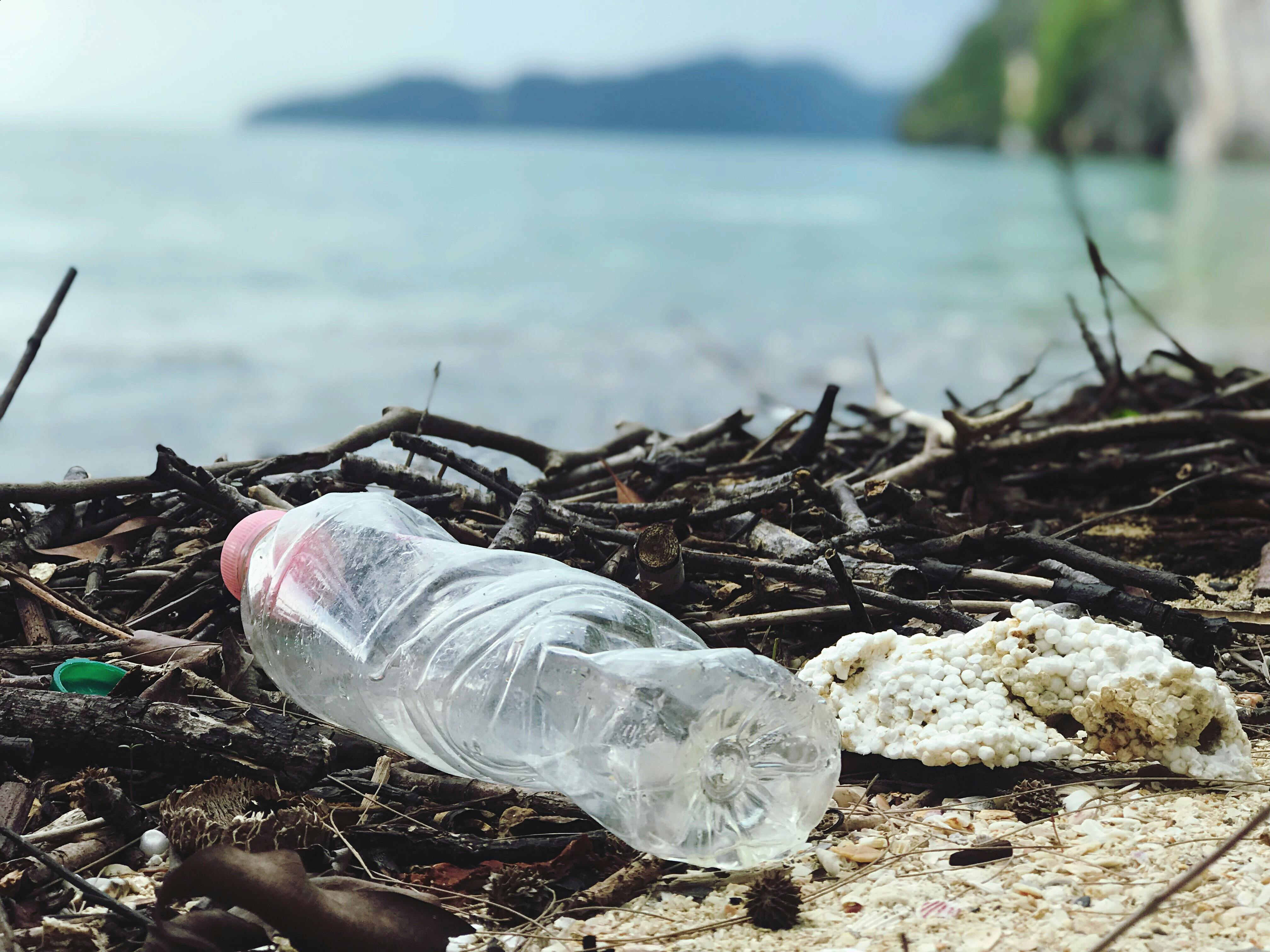
Plastic bottle floating in the ocean water

The problem does not end with large, visible pieces of trash. Over time, environmental factors such as ultraviolet radiation and wave action break down larger plastic items into microscopic particles known as microplastics. These particles, often smaller than five millimeters, are now ubiquitous in the water column and the seafloor. Because of their size, microplastics are easily consumed by lower-trophic level organisms, such as zooplankton and shellfish. This allows plastic and its associated toxins to enter the base of the food web, eventually bioaccumulating in larger predators, including those harvested for human consumption. The long-term biological impacts of this invisible pollution are still being studied, but early evidence suggests significant disruptions to reproductive health and metabolic functions in marine life.

In addition to the physical damage, plastics act as chemical magnets in the ocean. The porous surface of plastic debris absorbs persistent organic pollutants (POPs) from the surrounding seawater, such as pesticides and industrial chemicals. When animals ingest these plastics, they are not only suffering from physical blockages but are also being exposed to a concentrated dose of toxic substances. Furthermore, the additives used during the manufacturing of plastic, including flame retardants and plasticizers like phthalates, leach out into the tissues of marine organisms. These chemicals are known endocrine disruptors, which can interfere with the hormonal systems of wildlife, leading to developmental issues and declining population numbers across various species.

The ecological toll of plastic pollution also extends to critical habitats such as coral reefs. Reefs are already under stress from rising water temperatures and acidification, and the addition of plastic debris serves as a catalyst for disease. When plastic becomes snagged on coral branches, it can deprive the coral of light and oxygen, creating an environment where harmful bacteria thrive. Studies have shown that the likelihood of disease in coral increases significantly when plastic is present, threatening the biodiversity of these "rainforests of the sea." The loss of healthy reef systems has a domino effect, impacting the thousands of species that rely on them for shelter and food, as well as the coastal communities that depend on reefs for storm protection and tourism revenue.

Addressing the lethality of ocean plastics requires a multifaceted approach that moves beyond simple cleanup efforts. While removing trash from beaches and surface waters is helpful, it does not stop the flow of waste at its source. Global experts emphasize the need for a circular economy where plastic is designed to be reused or recycled effectively, rather than discarded after a single use. Policy changes are also crucial; international treaties are currently being negotiated to create legally binding frameworks to reduce plastic production and improve waste infrastructure on a global scale. By transitioning away from a culture of convenience and disposability, society can begin to reduce the toxic burden placed on the marine environment.

The survival of the ocean's inhabitants depends on an urgent shift in how humanity produces and manages synthetic materials. The data regarding the lethality of plastics is clear, and the window for meaningful intervention is narrowing. Protecting marine biodiversity is not just an environmental obligation but a necessity for the health of the entire planet. As the primary drivers of this pollution, humans hold the responsibility to implement systemic changes that prioritize the integrity of the ocean. Only through collective global action, ranging from individual consumer choices to high-level governmental regulations, can we hope to restore the seas to a state where life can thrive without the constant threat of plastic waste.

Monday, June 8, 2026

How to Effectively Expand Household Hazardous Waste and Paint Recycling Programs

In almost every household across the country, there is a hidden collection of forgotten liquids tucked away in the shadows. If you venture into the dark recesses of the cabinet under the kitchen sink, or scan the high shelves of a cluttered garage, you are likely to find a row of weathered containers. These are the remnants of past home improvement projects: half-empty cans of eggshell latex, rusted tins of oil-based primers, and various stains or varnishes that have long since separated. While they seem like harmless leftovers, these items represent a significant challenge for modern waste management systems and a potential threat to the local environment.

For decades, the disposal of household hazardous waste was a major headache for both residents and local governments. In the past, many people, unsure of what to do with their old paint, would simply pour it down the drain, toss it into the backyard, or hide it in the regular trash. These actions can lead to the contamination of groundwater, damage to septic systems, and the release of volatile organic compounds into the atmosphere. To combat this, municipalities began hosting "hazardous waste days," but these events were often infrequent, poorly funded, and inconvenient for the average working family. The result was a mounting surplus of toxic materials sitting in residential basements and sheds.

A transformative shift in how we handle these materials has emerged through the concept of product stewardship. This model, often referred to as extended producer responsibility, shifts the burden of managing a product's end-of-life from the taxpayer and the local government to the manufacturers and the consumers who use the products. By integrating the cost of recycling into the initial purchase price, a sustainable and permanent infrastructure for waste management can be established. This approach has seen remarkable success in the paint industry, providing a blueprint for how other difficult-to-recycle household items might be handled in the future.

The success of these programs lies in their simplicity and accessibility. Instead of waiting for a once-a-year collection event at a distant county facility, consumers can now take their unwanted cans back to the same retail stores where they purchased them. By partnering with major hardware stores and independent paint retailers, these programs have created thousands of year-round drop-off sites. This convenience is the key to high participation rates. When recycling is as easy as buying the product, the volume of diverted waste increases exponentially, preventing millions of gallons of paint from entering landfills or being disposed of improperly.

Multiple paint cans stacked together

Beyond simple disposal, these initiatives foster a circular economy. Not all paint dropped off at a collection site is destined for a hazardous waste incinerator. In fact, a significant portion of collected latex paint is sorted, filtered, and reprocessed into high-quality recycled paint. This recycled product is then sold back to the public at a lower price point, closing the loop on the manufacturing cycle. Even the metal and plastic containers are often recycled, further reducing the environmental footprint of the industry. For materials that cannot be reused, such as certain oil-based products, they are managed in high-temperature facilities that can sometimes capture the energy generated during the destruction process.

The economic impact of this model is equally noteworthy. By relieving local governments of the high costs associated with hazardous waste collection, these programs save millions of dollars in municipal budgets. These savings can then be redirected toward other essential community services like education, infrastructure, or public safety. Furthermore, the specialized logistics and processing required for recycling create green jobs in the transportation and manufacturing sectors, proving that environmental responsibility can be a driver of economic growth.

Looking forward, the lessons learned from the paint industry offer a roadmap for tackling other problematic household items. Materials such as lithium-ion batteries, mercury-containing thermostats, pesticides, and various electronics often face the same disposal hurdles that paint once did. As more states adopt legislation that mandates producer responsibility, we can expect to see similar convenient drop-off networks emerge for these goods. The goal is to move away from a "take-make-waste" mentality toward a system where every product has a clear, pre-funded path back to the manufacturer or a specialized recycler.

For the average homeowner, participating in this movement starts with a simple audit of the home. Checking labels for toxicity, storing products in airtight containers to prolong their shelf life, and buying only what is needed for a specific job are the first steps in waste reduction. However, when the project is over and the leftovers remain, utilizing the established network of recycling drop-offs ensures that the vibrant colors of our homes do not result in a grey future for our local ecosystems. The transformation of household hazardous waste management from a logistical nightmare into a streamlined, retail-based service is a testament to what can be achieved when industry, government, and consumers work together toward a common environmental goal.

Sunday, June 7, 2026

Why Food Science is Critical for Reducing Global Greenhouse Gas Emissions

The global conversation regarding climate change often centers on the transition to renewable energy and the electrification of transportation. While these are critical components of a sustainable future, a significant portion of the environmental challenge lies within the very systems that sustain human life: the global food supply chain. Recent data suggests that approximately one-quarter to one-third of all global greenhouse gas emissions are directly linked to how we produce, process, transport, and consume food. This staggering figure highlights a fundamental reality: any serious attempt to mitigate climate change must involve a radical transformation of our food systems. In this context, the discipline of food science is no longer just about nutrition and safety; it has become a frontline defense in the fight for a stable climate.

When we examine the carbon footprint of our meals, the impact begins long before a product reaches the grocery store shelf. Agriculture requires vast amounts of land, often leading to deforestation and the destruction of natural carbon sinks. Additionally, livestock production contributes significantly to methane emissions, a greenhouse gas far more potent than carbon dioxide in the short term. However, the role of food science extends far beyond the farm gate. It encompasses the entire lifecycle of a product, from the chemical engineering required to create sustainable meat alternatives to the microbiology used to extend shelf life and reduce waste. By optimizing these processes, scientists are finding ways to provide the same level of caloric and nutritional value while drastically reducing the environmental toll.

One of the most pressing issues where food science and climate science intersect is the problem of food waste. It is estimated that roughly one-third of all food produced for human consumption is lost or wasted globally. If food waste were a country, it would be the third-largest emitter of greenhouse gases in the world, trailing only the United States and China. This waste occurs at every stage of the chain: produce rotting in fields, spoilage during long-haul transport, and expiration in consumer refrigerators. Food scientists are addressing this through the development of innovative preservation techniques, such as natural antimicrobial coatings, advanced vacuum packaging, and smart sensors that can accurately track freshness. By extending the window of time that food remains safe and palatable, we can ensure that the resources used to produce it—water, land, and energy—are not expended in vain.

The evolution of protein is another area where scientific intervention is making a measurable difference. Conventional animal agriculture is resource-intensive, requiring massive inputs of grain and water to produce a relatively small amount of edible protein. Food scientists are currently at the forefront of the "protein transition," developing plant-based and cell-cultivated alternatives that mimic the texture and flavor of meat without the associated environmental baggage. These innovations allow for a significant reduction in land use and methane output. As these technologies scale, they offer a path toward feeding a growing global population without exceeding the planet's ecological boundaries.

Furthermore, the energy efficiency of food processing itself is a major factor in the climate equation. Industrial food production requires immense amounts of heat and refrigeration. Modern food science is exploring new methods of processing, such as high-pressure processing (HPP) and pulsed electric fields, which can sterilize food at lower temperatures or in less time than traditional thermal methods. These "cold" pasteurization techniques not only preserve the nutritional integrity and flavor of the food but also reduce the energy demand of the manufacturing plant. When applied across the multi-billion-dollar global food industry, these marginal gains in efficiency accumulate into substantial reductions in carbon emissions.

Modern sustainable vertical farming using food science technology

Packaging technology is also undergoing a green revolution driven by materials science. The reliance on single-use plastics has created a secondary environmental crisis, but the challenge for food scientists is to find alternatives that don't compromise food safety. The development of compostable, bio-based materials and edible packaging is a direct response to this need. By creating barriers that protect food from oxygen and moisture using sustainable polymers, scientists are helping to decouple the convenience of packaged foods from the long-term pollution of the oceans and landfills.

The logistical aspect of the food system—the "cold chain"—is equally vital. Keeping food cold as it travels from a factory in one country to a kitchen in another is an energy-intensive process that often relies on refrigerants with high global warming potential. Food scientists and engineers are working together to develop more efficient cooling systems and better-insulated transport containers. They are also researching ways to make certain foods shelf-stable at room temperature through specialized drying or fermentation techniques, which would eliminate the need for refrigeration entirely for certain product categories.

Ultimately, viewing food science as climate science requires a holistic perspective. It is about understanding that every decision made in a laboratory or a processing plant has an ecological ripple effect. Whether it is improving the yield of a drought-resistant crop, formulating a more sustainable fertilizer, or designing a more efficient oven, these technical advancements are essential tools for environmental stewardship. As the global population heads toward ten billion people, the pressure on our food systems will only increase. The work of food scientists ensures that we can meet this demand without compromising the health of the atmosphere.

In conclusion, the path to a net-zero future is paved with more than just solar panels and wind turbines. It is paved with the innovations that allow us to eat sustainably. By focusing on efficiency, waste reduction, and the development of low-impact ingredients, food science provides a roadmap for a resilient future. It empowers consumers to make choices that are healthy for both their bodies and the planet, proving that the kitchen and the laboratory are just as important as the halls of government in the fight against climate change.

Saturday, June 6, 2026

Millions of Mattresses are Disposed and Buried in Landfills Every Year

The modern lifestyle is built on a foundation of comfort, yet the very objects that provide us rest often result in an environmental nightmare once their utility expires. Every year, millions of mattresses are discarded across the United States, creating a massive logistical and ecological challenge for waste management systems. While the average consumer may only think about their mattress once a decade when it comes time for an upgrade, the afterlife of these bulky items lasts far longer than the years spent in a bedroom. The sheer volume of this waste is staggering, with estimates suggesting that nearly twenty million units are sent to disposal sites annually. When we consider the physical footprint of a single queen-sized mattress, the cumulative impact on our landscape becomes a visible crisis of consumption.

Most of these discarded items find their way into landfills, where they pose unique problems for facility operators. Unlike organic waste or smaller household trash, mattresses are notoriously difficult to compact. Their internal structure, often consisting of heavy-duty steel springs and resilient foam, allows them to occupy massive amounts of space. Even under the weight of heavy machinery, mattresses tend to "float" back to the surface of a landfill pile, creating air pockets that can destabilize the ground. Furthermore, the steel coils within traditional innerspring models are known to catch on the blades of expensive compaction equipment, leading to frequent mechanical failures and costly repairs. This has led many municipalities to view mattresses not just as trash, but as a significant operational burden.

Discarded mattresses at a recycling facility

The environmental cost extends beyond the physical space they occupy. A standard mattress is a complex assembly of various materials, many of which are synthetic and non-biodegradable. Polyurethane foam, polyester fabrics, and chemical flame retardants are standard components in the industry. Over time, as these materials sit in the earth, they can leach chemicals into the surrounding soil and groundwater. The breakdown of synthetic foams also releases volatile organic compounds, contributing to the broader issue of environmental toxicity. While some components, like the wooden frames found in box springs, might eventually decompose, the synthetic layers and treated textiles are designed to resist decay, ensuring that a mattress discarded today will likely remain in the environment for centuries.

Despite these challenges, the vast majority of a mattress is actually recyclable. Industry experts suggest that up to 80 to 90 percent of the materials in a typical mattress can be reclaimed and repurposed if processed correctly. The steel springs can be melted down and sold as high-quality scrap metal for use in new industrial products. The polyurethane foam can be cleaned, shredded, and transformed into carpet padding or acoustic insulation. Even the outer fabric layers and the wooden frames have secondary markets, such as being converted into biofuels or wood chips for landscaping. The technology to divert these items from landfills exists, yet the infrastructure to support widespread recycling remains underdeveloped in many regions.

The primary barrier to universal mattress recycling is the cost of logistics and labor. Extracting the valuable materials from a mattress is a labor-intensive process that usually requires manual deconstruction. Workers must use specialized tools to cut through tough upholstery and separate the different layers of foam and fiber. Because mattresses are large and light, transporting them is expensive; a truck that might carry tons of dense scrap metal can only hold a few dozen mattresses before it is physically full. Without legislative mandates or subsidies to offset these costs, many waste management companies find it cheaper to simply bury the problem rather than invest in the circular economy.

To combat this, several states have begun implementing Extended Producer Responsibility (EPR) programs. These laws require mattress manufacturers to take responsibility for the entire lifecycle of their products. By adding a small recycling fee to the initial purchase price of a new mattress, these states have created a dedicated funding stream to support recycling centers and collection points. In regions where these programs exist, recycling rates have plummeted the number of mattresses entering landfills, proving that policy can drive environmental change. For consumers living in areas without these programs, the responsibility often falls on individual choices, such as seeking out specialized recycling businesses or donating gently used items to charitable organizations that can give them a second life.

Moving forward, the mattress industry is facing increasing pressure to design for disassembly. This "cradle-to-cradle" approach encourages the use of materials that are easier to separate and recycle from the start. Some innovative companies are experimenting with glue-free assemblies and biodegradable foams, which would significantly reduce the labor required at the end of the product's life. As awareness of the waste crisis grows, the expectation is that the American bedroom will eventually shift from a linear model of consumption—buy, use, and bury—to a more sustainable cycle that respects both the sleeper and the planet. Transitioning to this new model requires a combination of smarter manufacturing, robust government policy, and a commitment from consumers to look beyond the convenience of the curb.

Ultimately, the story of mattress waste is a reflection of a broader societal challenge regarding how we handle large-scale consumer goods. It serves as a reminder that every purchase has a legacy. By understanding the complexity of mattress disposal and supporting the development of recycling infrastructure, we can ensure that our pursuit of a good night's sleep does not come at the expense of the environment's future. The shift away from the landfill is not just a matter of space, but a necessary step toward a truly sustainable way of living.

Friday, June 5, 2026

How Strategic Plant Selection Can Save Your Home From Wildfires

In the quiet aftermath of a California wildfire, the landscape often tells a haunting story of two different outcomes. One might see a plot of land where a home once stood, now reduced to a gray footprint of ash and twisted metal. Next to it, another house might remain nearly untouched, its walls scorched but its structure intact. While wind patterns and sheer luck play their parts, the survival of a home in fire-prone regions often comes down to the strategic choices made in the garden. Landscaping is no longer just about curb appeal; it has become a critical component of structural defense. By understanding the science of fire-resistant plant selection and the principles of defensible space, homeowners can create a living buffer that significantly increases the odds of their property surviving a blaze.

Drought resistant succulents in a garden

The concept of fire-resistant landscaping does not mean a yard must be a barren wasteland of gravel and concrete. Instead, it involves selecting plants that are less likely to ignite and, if they do catch fire, burn with lower intensity. Fire-resistant plants typically share several characteristics: they have high moisture content in their leaves, they accumulate very little dead wood or debris, and they lack volatile oils, resins, or terpenes. For example, many succulents like aloe, agave, and crassula store vast amounts of water in their fleshy tissues, making them incredibly difficult to ignite compared to a resinous pine tree or a dry juniper bush.

Creating a safe perimeter starts with the "Zone" approach. Fire safety experts generally divide the area around a home into three distinct rings. Zone 0, the immediate five feet surrounding the structure, is the most critical. This area should be entirely free of combustible materials. Instead of wooden mulch and foundation shrubs, homeowners should use gravel, pavers, or stone. Any plants placed here should be low-growing, herbaceous, and meticulously maintained to ensure no dead leaves or dry stems accumulate near the siding or under the eaves. This gap prevents embers from landing in organic matter and igniting the house directly.

Zone 1 extends from five feet to thirty feet from the house. This is often referred to as the "lean, clean, and green" zone. Here, the goal is to break the continuity of fuel. Plants should be spaced out so that fire cannot easily jump from one to the next. Deciduous trees, such as maples or oaks, are generally better choices than evergreens because their leaves have higher moisture content and they do not contain the flammable saps found in conifers. Lawns, if kept green and mowed short, can act as an effective firebreak, though many homeowners are now opting for drought-tolerant groundcovers like creeping thyme or sedum to achieve the same protective effect while conserving water.

Beyond thirty feet lies Zone 2, which extends to at least one hundred feet from the home. In this outer ring, the focus shifts to reducing the volume of fuel and preventing "ladder fires." A ladder fire occurs when flames move from low-lying grasses to shrubs and eventually into the canopy of tall trees. To prevent this, homeowners should prune lower branches of trees to a height of six to ten feet and remove any dead or dying vegetation. Choosing native plants that are adapted to the local climate is highly beneficial in this zone. Species such as the California Fuchsia or the Red Monkey Flower are not only beautiful and pollinator-friendly but are naturally resilient to the heat cycles of the region.

It is a common misconception that certain plants are "fireproof." In a high-intensity wildfire driven by extreme winds, almost any organic material will eventually burn if exposed to enough heat for long enough. The term "fire-resistant" is relative. The goal is to slow the fire’s progress and keep it on the ground rather than letting it reach the roofline. Maintenance is the most overlooked aspect of this strategy. A fire-resistant shrub that has been neglected and allowed to fill with dead interior branches becomes a fire hazard. Regular pruning, weeding, and appropriate irrigation are essential to ensure that the plants retain their high moisture levels and do not become kindling during the peak of the dry season.

Furthermore, the choice of mulch is a detail that can make or break a home’s defense. While organic wood mulch is popular for moisture retention and aesthetics, it is highly flammable when dry. In fire-prone areas, inorganic mulches like decomposed granite, river rock, or pea gravel are far safer alternatives. If wood mulch must be used, it should be kept away from the house and used in small, isolated patches rather than as a continuous carpet that could lead a fire directly to the doorstep.

Ultimately, wildfire-resistant plant selection is about harmony between the built environment and the natural world. By choosing flora that thrives in the local ecosystem without posing a threat to the home, residents can enjoy a lush, vibrant landscape that offers peace of mind. As climates change and fire seasons grow longer, the transition to fire-wise gardening is no longer an optional hobby—it is a fundamental shift in how we inhabit and protect our communities. A well-planned garden acts as a silent guardian, standing watch when the embers begin to fly.