
The vast expanse of the American Great Basin, a high-desert region stretching across Nevada and into parts of Utah, Idaho, Oregon, and California, is currently undergoing a profound and dangerous ecological transformation. Historically, this landscape was defined by its iconic sagebrush and bunchgrasses, which grew in scattered clusters with significant patches of bare earth between them. This natural spacing acted as a buffer, preventing small lightning-induced fires from spreading across the entire landscape. However, this natural equilibrium has been shattered by the arrival and dominance of invasive annual grasses, creating a volatile environment where the landscape itself has become a massive, interconnected fuse.
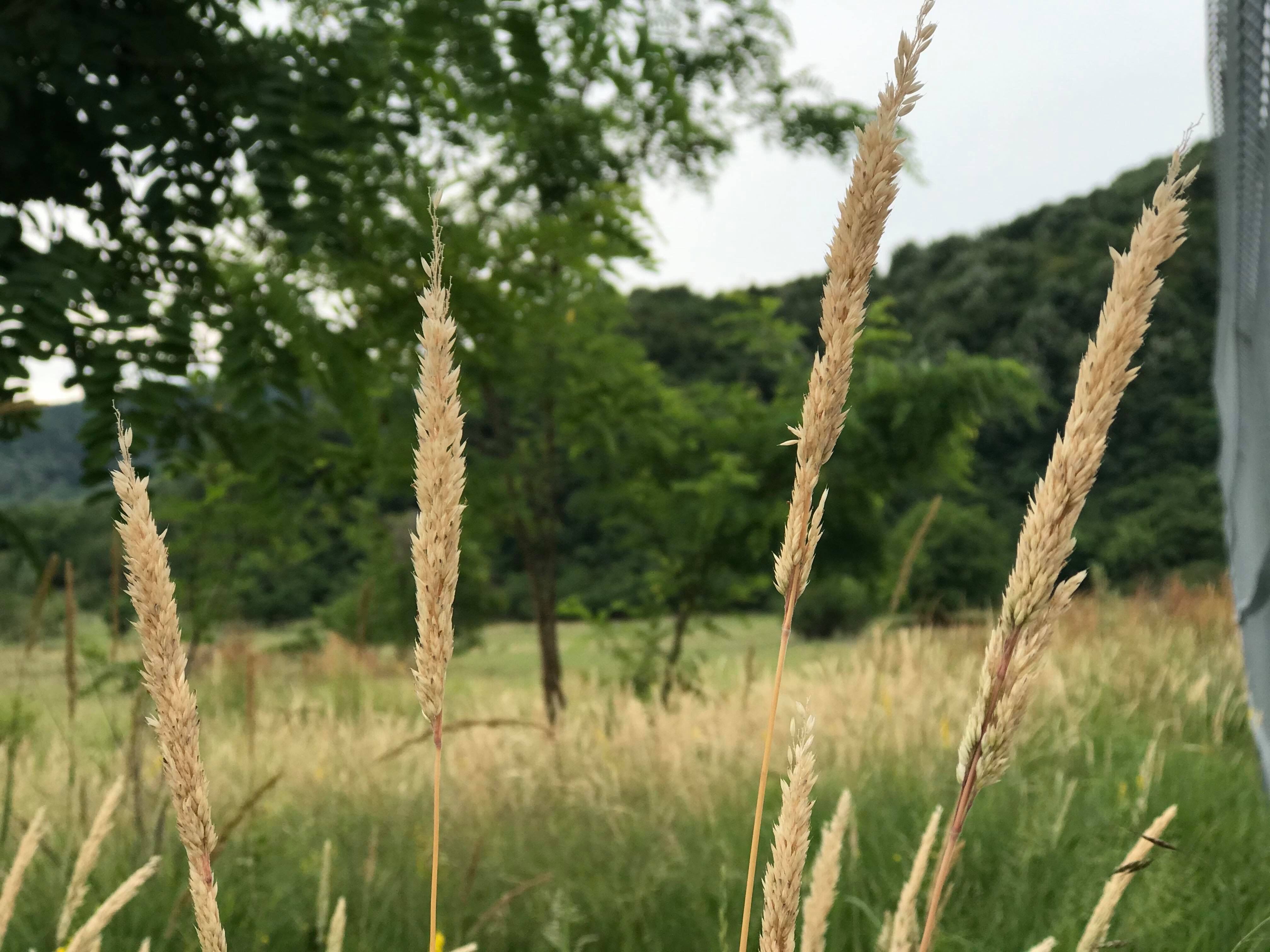
At the heart of this crisis are invasive species such as cheatgrass and medusahead. These plants are not merely nuisance weeds; they are ecological disruptors that have fundamentally altered the fire regime of the West. Unlike native perennials that stay green longer and have deep root systems, these invasive annuals germinate early in the spring, grow rapidly, and die off by early summer. Once they die, they leave behind a thick, continuous carpet of dry, straw-like biomass that is incredibly flammable. Because these grasses fill the previously empty spaces between native shrubs, they provide a continuous path for fire to travel, allowing flames to move at speeds and scales that were previously impossible in the high desert.
The relationship between these invasive grasses and wildfire has become a self-perpetuating cycle known as the grass-fire loop. When a fire sweeps through an area covered in cheatgrass, it burns hot and fast, often killing the native sagebrush and perennials that are not adapted to frequent burning. Once the native vegetation is cleared away, the invasive grasses—which produce an abundance of seeds that can survive in the soil—are the first to recolonize the charred earth. With each successive fire, the invasive grass population grows denser while the native ecosystem retreats, eventually leading to a monoculture of highly flammable weeds that burn every few years instead of every few centuries.
Climate change acts as a powerful catalyst in this process, lengthening the window of time during which the landscape is susceptible to ignition. Rising average temperatures lead to earlier snowmelt and faster evaporation of soil moisture, causing the invasive grasses to dry out even sooner in the season. Additionally, shifting weather patterns are bringing more erratic moisture; wet winters can lead to a "super-bloom" of invasive grass, creating an enormous load of fuel that turns into a tinderbox during the increasingly hot and dry summers that follow. The result is a wildfire season that starts earlier, lasts longer, and produces fires of much greater intensity.
The consequences of this "rewiring" of the landscape extend far beyond the loss of scenery. The Great Basin is home to a unique array of wildlife, most notably the Greater Sage-Grouse, a bird that relies entirely on intact sagebrush ecosystems for survival. As the sagebrush disappears, so do the birds, along with hundreds of other species that depend on the desert shrubland. Furthermore, these frequent fires pose a direct threat to human infrastructure, including power lines, highways, and rural communities. The smoke from these massive rangeland fires can also travel hundreds of miles, impacting air quality in major urban centers and posing a significant public health risk.
Addressing this challenge requires a monumental shift in how land is managed in the West. Conservationists and land managers are looking toward large-scale restoration efforts, but the task is daunting. Strategies such as "green-stripping"—planting strips of fire-resistant vegetation to act as fuel breaks—and the use of targeted grazing to reduce grass loads are being implemented in various regions. Scientists are also experimenting with soil bacteria that might specifically inhibit the growth of invasive grass roots without harming native plants. However, the sheer scale of the infestation, which now covers tens of millions of acres, means that intervention must be aggressive and coordinated across state and federal borders.
Ultimately, the transformation of the Great Basin serves as a stark warning of how climate change and invasive species can converge to rewrite the rules of an entire biome. What was once a resilient desert ecosystem is being converted into a highly combustible grassland, requiring urgent action to protect the remaining native habitats and the communities that live among them. The battle for the Great Basin is not just about stopping individual fires; it is about breaking the cycle that has turned the landscape against itself, ensuring that the "fuse" of invasive grass does not lead to the permanent loss of one of North America's most significant wilderness areas.
No comments:
Post a Comment