
The global dairy industry is currently facing a reckoning as the environmental costs of traditional animal husbandry become increasingly difficult to ignore. For decades, the cow has been the primary biological machine used to produce milk, but this process is staggeringly inefficient from a resource perspective. To produce just one kilogram of regular milk protein, the environmental toll can reach up to 72 kilograms of greenhouse gas emissions. This disproportionate ratio highlights a systemic flaw in how we source essential nutrients. As the global population grows and the climate crisis intensifies, the search for a more sustainable, high-tech alternative has led to the rise of precision fermentation.
Precision fermentation is not a brand-new concept, but its application to the dairy sector represents a revolutionary shift. For years, this technology has been used to produce insulin for diabetics and rennet for cheesemaking, moving these industries away from animal-derived sources. The process involves "programming" microorganisms, such as yeast or fungi, to produce specific proteins. By inserting the genetic blueprint for milk proteins like whey or casein into these microbes, scientists can turn fermentation tanks into efficient production hubs. When these organisms are fed simple sugars in a controlled environment, they begin to secrete proteins that are molecularly identical to those found in cow’s milk.
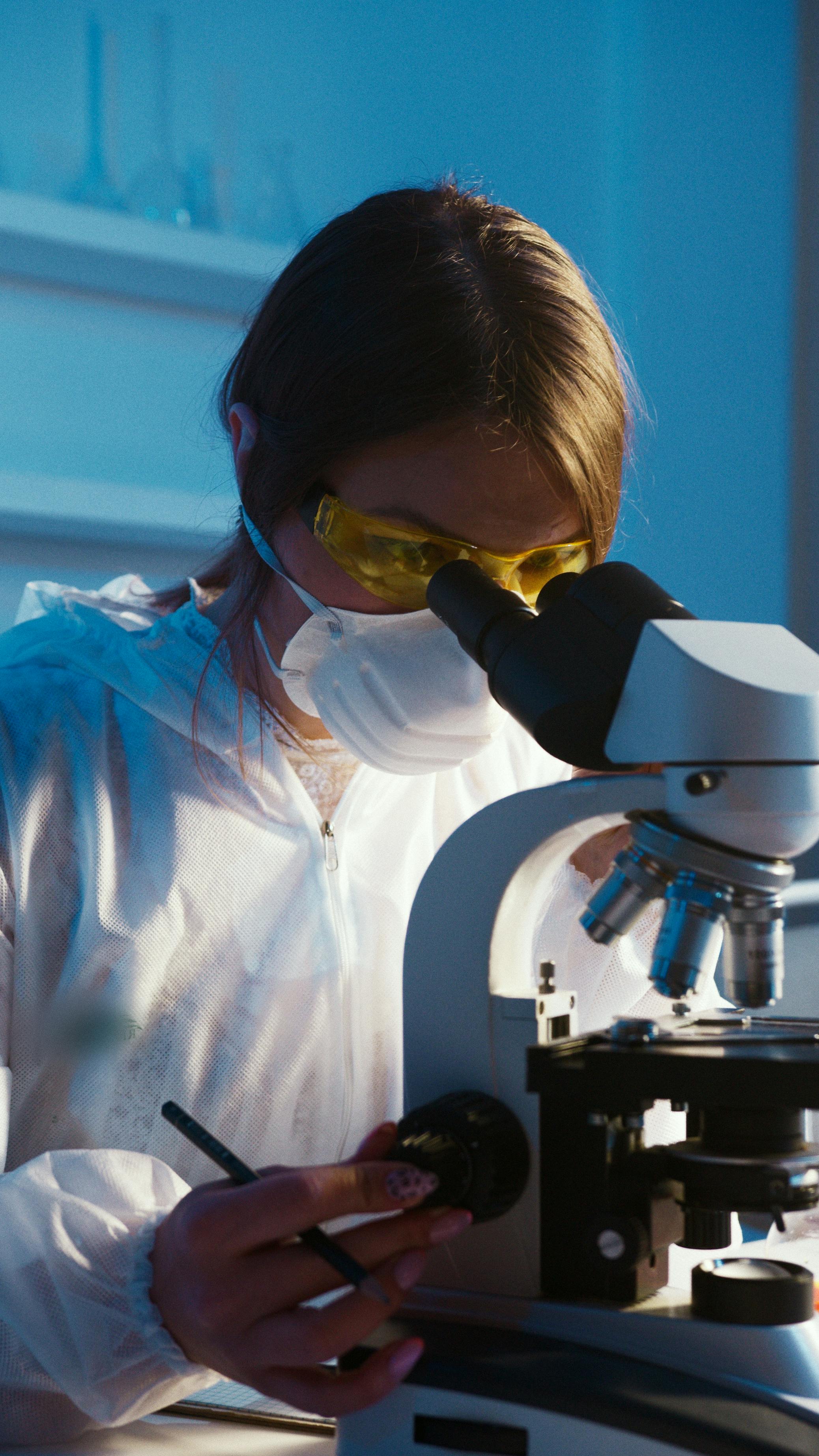
One of the most significant advantages of this technology is its potential to drastically reduce the carbon footprint of dairy. Traditional dairy farming requires vast amounts of land for grazing and growing feed, such as soy and corn. It also consumes thousands of gallons of water and produces significant methane emissions—a greenhouse gas far more potent than carbon dioxide in the short term. Precision fermentation bypasses the need for the cow entirely. Because the process occurs in specialized bioreactors, it requires a fraction of the land and water. Estimates suggest that lab-grown dairy proteins could reduce greenhouse gas emissions by over 90% compared to conventional bovine milk, offering a scalable solution to food security without the ecological destruction.
While plant-based milks made from almonds, oats, or soy have gained significant market share, they often struggle to replicate the functional properties of dairy. Many consumers find that plant-based alternatives do not melt, foam, or stretch in the same way that traditional cheese and yogurt do. This is because plant proteins are structurally different from animal proteins. Precision fermentation solves this dilemma by creating "bio-identical" proteins. Because the resulting whey and casein are chemically the same as what comes from a cow, they can be used to create cheeses that melt perfectly and yogurts with the familiar creamy texture that consumers crave. This allows for a "animal-free" dairy category that does not require consumers to compromise on taste or performance.
The transition to fermentation-derived dairy also addresses growing concerns regarding animal welfare and public health. Industrial dairy farming often involves intensive confinement and the use of antibiotics to prevent disease in crowded conditions. By shifting production to a sterile, laboratory-controlled environment, the risk of zoonotic diseases and antibiotic resistance is significantly mitigated. Furthermore, the resulting product is naturally free from cholesterol, hormones, and lactose, making it a cleaner and more inclusive option for the millions of people worldwide who suffer from lactose intolerance or other dietary sensitivities.
However, the path to a fermentation-powered dairy future is not without its hurdles. The primary challenge lies in scaling the technology to meet global demand. Currently, the infrastructure for large-scale precision fermentation is limited, and the cost of production remains higher than that of subsidized industrial dairy. For these products to become a staple in every household, the industry must invest heavily in massive bioreactors and find ways to source the "feedstock" (the sugars used to feed the microbes) sustainably. There is also the matter of regulatory approval and consumer perception. While many are excited by the prospect of sustainable food, others may be hesitant about "lab-grown" ingredients. Clear labeling and transparent communication regarding the safety and benefits of the technology will be essential for widespread adoption.
Looking ahead, the integration of precision fermentation into the food system could rewrite the climate equation for the entire agricultural sector. We are likely to see a hybrid market where traditional dairy exists alongside fermented alternatives, eventually leading to a shift where animal-derived milk becomes a niche, luxury product. As the technology matures and costs drop, the environmental savings will accumulate, potentially allowing millions of acres of pastureland to be rewilded or used for carbon sequestration. The shift from "biological" dairy to "precision" dairy represents more than just a change in how we make milk; it represents a fundamental evolution in our relationship with the planet, moving toward a future where we can nourish ourselves without overdrawing the Earth's natural accounts.
Ultimately, the success of precision fermentation will depend on a combination of technological innovation, investment, and consumer willingness to embrace change. The data is clear: the current model of dairy production is unsustainable in a warming world. By leveraging the power of microbiology, we have the opportunity to decouple protein production from environmental degradation. If we can successfully navigate the transition, the glass of milk of the future will not only be identical in taste and nutrition to the one we know today, but it will also be a symbol of a more resilient and sustainable food system.
No comments:
Post a Comment