
Every day, millions of well-intentioned individuals stand before their recycling bins, holding an item and wondering if it belongs inside. Often, if there is even a sliver of doubt, the item is tossed into the blue bin anyway. This act, driven by a desire to be environmentally responsible and a reluctance to contribute to landfills, is known as wishcycling. While it stems from a place of hope, this practice has become one of the greatest obstacles to effective waste management in the modern era. By placing non-recyclable materials into the system, consumers inadvertently cause more harm than good, leading to mechanical failures, economic losses, and the contamination of perfectly viable materials.
The primary issue with wishcycling is the concept of contamination. Recycling is not a magical process that can handle any material; it is a highly sensitive industrial operation designed to process specific streams of waste like clean paper, certain plastics, and metals. When food-soiled containers, greasy pizza boxes, or unwashed soda bottles enter the stream, they can ruin entire batches of otherwise high-quality recyclables. For instance, oil from a single unwashed peanut butter jar can seep into a bale of cardboard, making the fibers impossible to repurpose. Once a batch is contaminated, the entire load is often rejected by processors and sent directly to a landfill, meaning that the actual recyclables in that bin are wasted because of one person’s "hopeful" mistake.
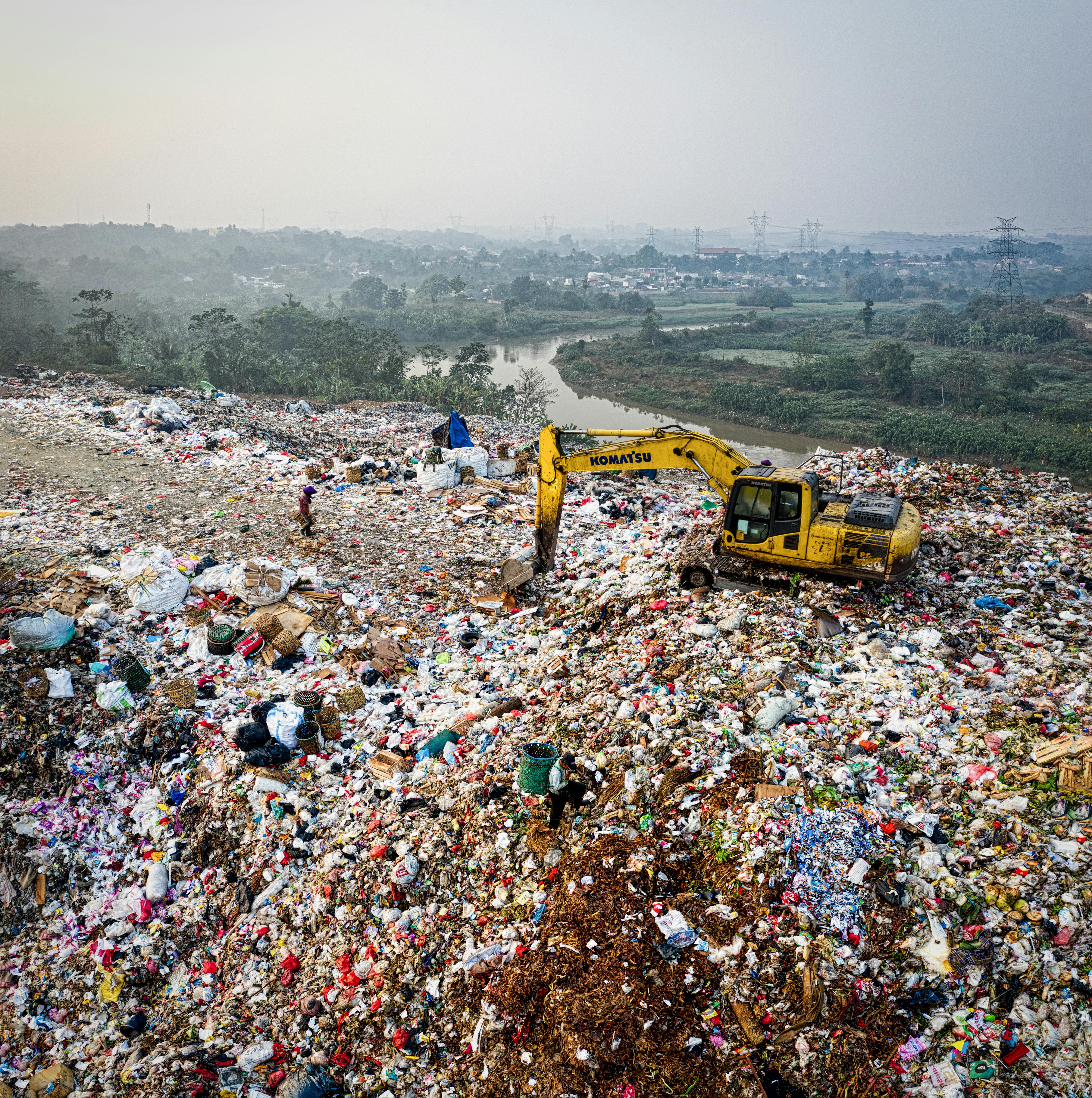
Beyond contamination, certain items known as "tanglers" pose a significant physical threat to recycling infrastructure. Items like plastic bags, garden hoses, holiday lights, and clothing are frequently wishcycled but do not belong in standard curbside bins. When these items reach a Materials Recovery Facility (MRF), they inevitably get caught in the massive rotating gears and sorting screens. This causes the entire plant to shut down, sometimes multiple times a day, so workers can manually climb into the machinery and cut the debris away with utility knives. These delays are not only costly but also pose a serious safety risk to the facility staff who must navigate heavy machinery to fix preventable jams.
The economic impact of wishcycling is another factor that often goes overlooked by the average consumer. Recycling programs are businesses that rely on the resale value of raw materials. When the stream is filled with trash and non-recyclables, the cost of sorting increases exponentially. Municipalities must pay more for labor and technology to weed out the garbage, and if the final product is of low quality due to contamination, it becomes harder to sell to manufacturers. In many cases, if the cost of sorting and cleaning wishcycled items exceeds the value of the materials themselves, local governments may be forced to scale back or even cancel their recycling programs altogether, leaving residents with no options at all.
Confusion is often fueled by the symbols found on packaging. Many consumers believe that the "chasing arrows" triangle is a universal sign that an item is recyclable. In reality, that symbol is often just a resin identification code that tells professional sorters what kind of plastic the item is made of, not whether it is accepted by a local program. A plastic clamshell container and a soda bottle might have similar symbols, but they are manufactured using different processes, meaning they melt at different temperatures and cannot be processed together. Without clear education, the consumer relies on these symbols, unknowingly perpetuating the cycle of waste.
To combat the negative effects of wishcycling, a shift in mindset is required. The most important rule in modern waste management is: "When in doubt, throw it out." While it feels counterintuitive to put something in the trash, it is far better to dispose of one questionable item correctly than to risk ruining an entire load of good recyclables. Accuracy is significantly more valuable to the environment than volume. By focusing on the "Big Three"—clean cardboard, aluminum cans, and plastic bottles with necks—consumers can ensure their efforts actually result in the conservation of resources.
Furthermore, it is essential for individuals to familiarize themselves with their specific local guidelines. Recycling rules are not universal; what is accepted in one city might be rejected in the next based on the technology available at the local sorting facility. Many cities now offer apps or websites where residents can search for specific items to see if they are allowed in the curbside bin. For items that cannot be recycled at home, such as plastic film, batteries, or electronics, specialized drop-off locations are often available. Taking the extra step to bring these items to the right place ensures they are handled safely and effectively.
Ultimately, the best way to reduce the impact of wishcycling is to move up the hierarchy of waste management: reduce and reuse before reaching the recycling stage. By choosing products with less packaging or opting for reusable containers, the need for recycling is minimized from the start. While recycling remains a vital tool for environmental protection, it is only effective when done correctly. Moving away from the "hopeful toss" and toward informed, intentional disposal is a small change that can lead to a much healthier and more sustainable planet.
No comments:
Post a Comment