
The greatest challenge facing the preservation of our planet today is not a lack of technology, nor is it a lack of scientific data. Instead, the most significant barrier to a sustainable future is a quiet, pervasive sense of indifference known as apathy. When we look at the scale of global environmental issues, it is easy to feel small and inconsequential. This feeling often leads to a paralyzing state where individuals believe their choices do not matter, ultimately resulting in a collective inaction that allows ecological degradation to continue unchecked. Understanding and overcoming this emotional hurdle is the first step toward meaningful change.
Apathy often stems from a defense mechanism. In an age where information is constant and often overwhelming, the human brain struggles to process the magnitude of melting glaciers, plastic-filled oceans, and disappearing biodiversity. When the problems seem insurmountable, the easiest psychological response is to tune them out. This "compassion fatigue" creates a wall between the individual and the global community. We tell ourselves that someone else—governments, corporations, or future generations—will find the solution. However, this delay is exactly what fuels the crisis. Indifference acts as a silent endorsement of the status quo, allowing harmful practices to persist simply because there is not enough collective will to stop them.
To move past this state of unconcern, we must dismantle the myth of the "insignificant individual." Every major social and environmental movement in history began with a few people who decided that doing nothing was no longer an option. While it is true that one person cannot single-handedly lower the global temperature, the cumulative effect of millions of people making conscious choices creates a market shift and a cultural sea change. When you choose to reduce your waste, support ethical brands, or advocate for local conservation, you are contributing to a larger ecosystem of action. These choices act as signals to the world around you, influencing friends, family, and even the corporations that track consumer behavior.
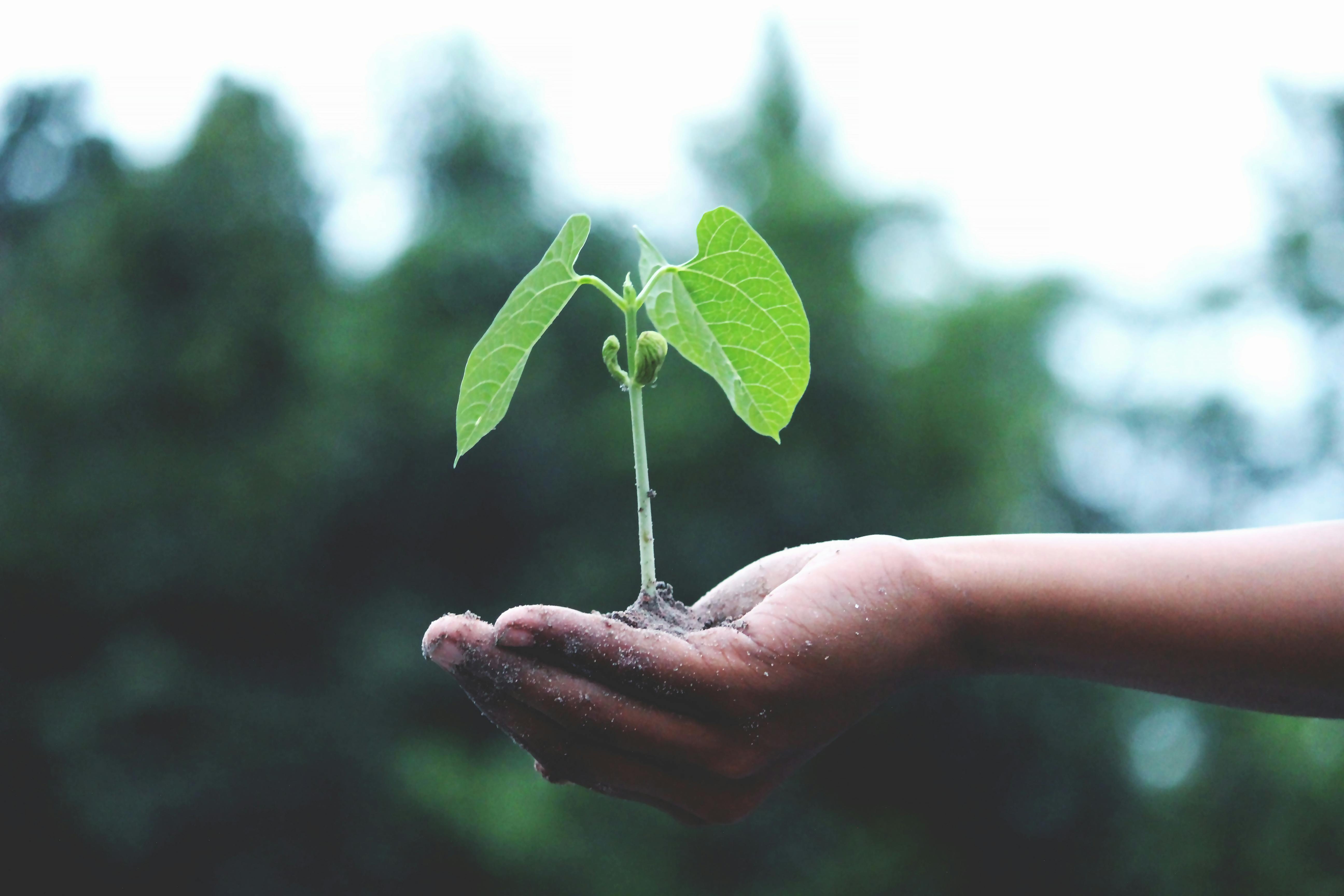
Reclaiming our sense of agency requires us to reconnect with the natural world on a personal level. It is difficult to feel passionate about protecting something that feels abstract or distant. By spending time in local parks, gardening, or participating in community clean-ups, the environment stops being a headline on a screen and starts being a tangible part of our lives. This connection fosters a sense of stewardship. When we care about a specific forest, a local river, or the air quality in our own neighborhood, apathy begins to dissolve, replaced by a natural desire to protect and nourish the world that sustains us.
Furthermore, we must change the narrative from one of sacrifice to one of opportunity. For too long, environmentalism has been framed as a list of things we must give up. In reality, moving away from a culture of mindless consumption and indifference leads to a higher quality of life. Embracing sustainability often means finding more community, spending less money on unnecessary goods, and living a more intentional, focused life. By focusing on what we gain—cleaner air, healthier food, and a more stable climate—we can transform the motivation for action from a sense of guilt into a sense of purpose. This shift in perspective is a powerful tool against the weight of apathy.
The antidote to indifference is engagement, but engagement does not have to mean solving everything at once. It starts with the "next best thing." Perhaps today that means choosing a reusable container, and tomorrow it means researching how your local government handles waste. These small, consistent steps build momentum. As that momentum grows, so does your confidence in your ability to make a difference. Action is the natural enemy of despair; once you begin to move, the paralyzing fog of apathy begins to lift, revealing a path forward that is both manageable and impactful.
We are currently at a crossroads where the decisions made in this decade will resonate for centuries. We cannot afford the luxury of being tired or disinterested. The future is not a predetermined destination that we are drifting toward; it is something that is being built right now through our participation or our silence. By choosing to care, by choosing to act, and by choosing to speak up, we reclaim our role as active participants in the story of our planet. The danger of apathy is that it makes us spectators of our own decline, but the power of engagement is that it makes us the architects of our own survival.
Ultimately, the fight for a healthy planet is a fight for our own humanity. It is an exercise in empathy, requiring us to look beyond our immediate comfort and consider the well-being of people we will never meet and species we may never see. Overcoming apathy is an act of courage. it is the refusal to give up in the face of complexity and the determination to contribute something positive to the world. When we shake off the weight of indifference, we find that we are not alone. We are part of a growing global community dedicated to ensuring that the future is not just something we endure, but something we can be proud to leave behind.
No comments:
Post a Comment