
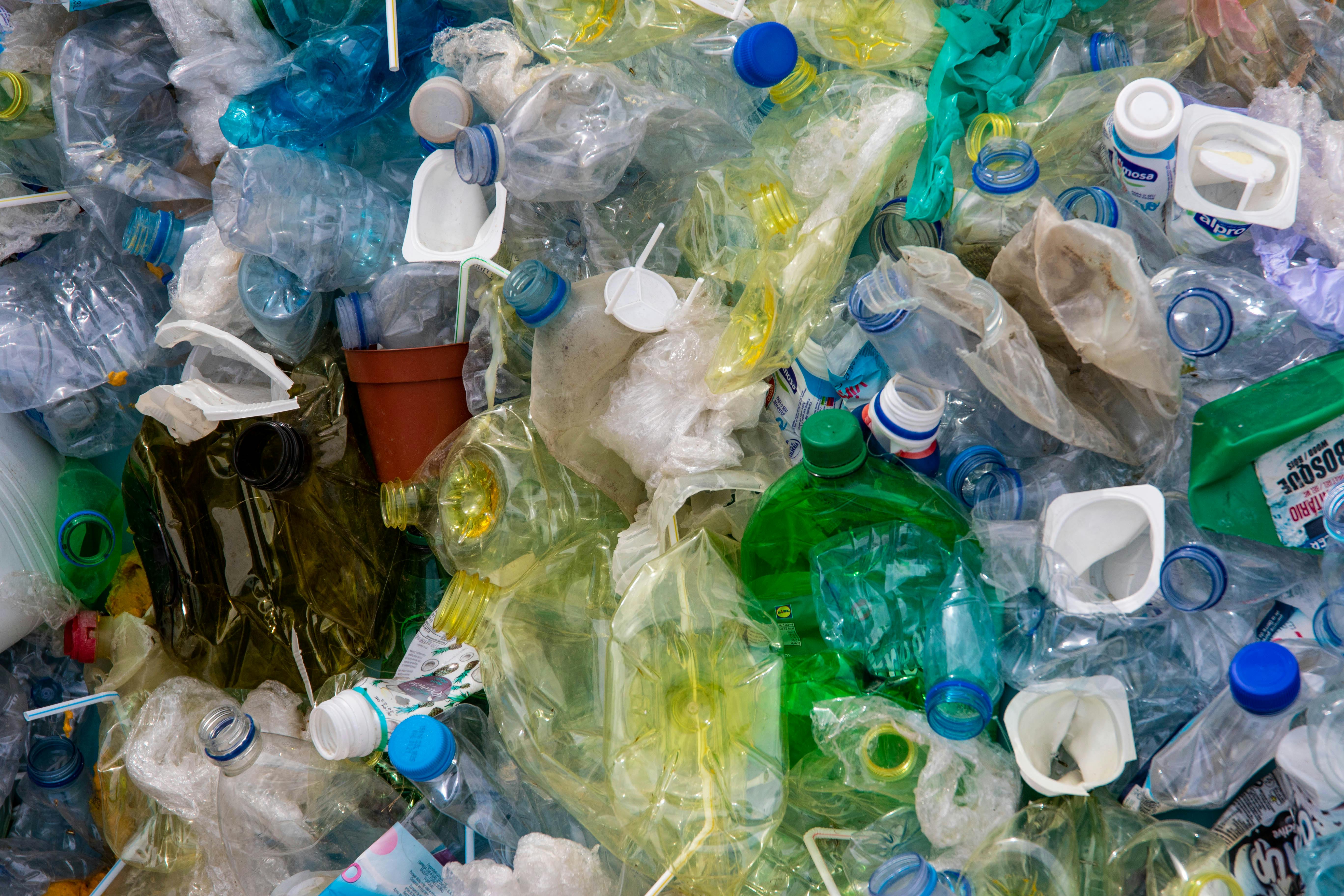
The scale of modern economic activity is staggering, yet underneath the surface of global commerce lies a massive, invisible leak. If you were to look at the global economy as a single business, its efficiency rating would be shockingly low. Recent estimates suggest that nearly $29 trillion is lost or wasted every single year. To put that into a perspective that is easier to grasp, imagine that for every $100 the world produces in value, about $31 of it is immediately discarded, mismanaged, or lost through systemic inefficiencies. This is not just a story of trash cans and landfills; it is a story of lost human potential, degraded natural resources, and a global system that is failing to optimize the wealth it creates.
One of the primary drivers of this massive economic drain is the global food system. We currently live in a world of paradoxes where millions suffer from malnutrition while more than a third of all food produced never makes it to a human stomach. This waste occurs at every stage of the supply chain. In developing nations, food is often lost early in the process due to a lack of refrigeration, poor storage infrastructure, and inadequate transportation. In wealthier nations, the waste happens at the retail and consumer levels, driven by aesthetic standards for produce and "best by" dates that lead to the disposal of perfectly edible items. When food is wasted, we aren't just throwing away calories; we are throwing away the water, land, labor, and energy that went into producing it, totaling hundreds of billions of dollars in annual losses.
Energy production and consumption represent another significant portion of this $29 trillion deficit. The current global energy grid is remarkably inefficient. From the moment fuel is extracted to the moment a lightbulb flickers on in a home, energy is lost through heat dissipation, outdated transmission lines, and inefficient appliances. Furthermore, the world continues to subsidize fossil fuels to the tune of hundreds of billions of dollars, effectively paying to accelerate environmental damage that will cost even more to repair later. The lack of transition to more efficient, localized renewable energy sources means we are essentially pouring money into a leaky bucket, maintaining infrastructure that belongs to the previous century while paying the premium prices of the current one.
Environmental externalities are perhaps the most complex part of the waste equation. For decades, the global economy has operated on a "linear" model: we take raw materials from the earth, make products, and then dispose of them. This model fails to account for the cost of pollution, carbon emissions, and the depletion of natural capital. When a factory pollutes a river, the cost of cleaning that water or treating the illnesses of people downstream is rarely paid by the factory; instead, it becomes a burden on the public and the economy at large. These hidden costs—ranging from healthcare expenses related to air quality to the economic impact of extreme weather events—account for trillions of dollars in lost productivity and emergency spending every year.
Beyond physical resources, there is the devastating waste of human capital. Economic systems that fail to provide adequate education, healthcare, or employment opportunities are essentially leaving money on the table. When a significant portion of the global population is sidelined due to systemic inequality or lack of access to basic tools for success, the global GDP suffers. The lost productivity from preventable diseases and the lack of innovation from underserved communities represent a form of waste that is harder to visualize than a pile of plastic in the ocean, but it is no less real in its economic impact. Investing in people is not just a moral imperative; it is a fundamental strategy for plugging the leaks in the global economy.
The transition toward a "circular economy" offers a potential solution to this trillion-dollar problem. In a circular system, waste is designed out of the process from the beginning. Products are made to be repaired rather than replaced, and materials are recovered and reused at the end of their life cycles. This shift requires a fundamental rethinking of how we value goods and services. Instead of measuring success solely by how much we consume, we must begin to measure it by how effectively we use what we already have. By treating every scrap of metal, every drop of water, and every watt of energy as a precious asset rather than a disposable commodity, we can begin to reclaim the trillions currently being lost.
Addressing this level of waste is not a task for any single nation or industry. it requires a coordinated global effort to update infrastructure, reform subsidies, and change consumer behavior. Technology will play a vital role, from smart grids that minimize energy loss to precision agriculture that reduces food waste. However, the most important change is a shift in mindset. We must recognize that the $29 trillion currently being wasted represents the resources we need to solve the world's most pressing challenges. By capturing this lost value, we can build a more resilient, equitable, and sustainable future for everyone. The money is already there; we just have to stop throwing it away.
No comments:
Post a Comment